
Start with authenticity checks that actually matter
When you’re looking for sought-after Japanese releases, authenticity is the first filter that separates a smooth buying experience from a stressful one. A reliable seller clearly explains how cards are stored, graded, and verified, and it should describe condition standards in plain language. Look rare japanese pokemon cards for policies that address common concerns like trimming, resealing, and mismatched set markings. If the listing photos show consistent lighting and crisp edges, it’s a good sign, but the real value is in the seller’s verification process.
Service quality also shows up in how the seller handles disputes and returns. A great platform won’t just say “authentic” in marketing copy; it will provide practical steps for resolving issues if a card arrives differently than expected. Pay attention to whether they offer grading references, clarify whether items are raw or graded, and specify shipping materials used for protection. These details protect both the card and your peace of mind—especially when you’re collecting higher-demand pieces.
Compare pricing clarity, shipping speed, and total costs
Two listings can look similar at first glance, but the final checkout cost can change quickly when shipping, handling, and import-related fees are added. Compare the total price on the invoice rather than the base card price alone, and note whether shipping japanese pokemon cards for sale is tracked. For collectors, consistent packaging matters as much as delivery timing, because cards can shift during transit without proper protection. Sellers that provide clear handling time estimates make it easier to plan without guessing.
Pricing transparency is another service differentiator. Some sellers mark up heavily on popular chase cards, while others offer fair pricing but only after you sift through multiple listings or bundled quantities. A strong service experience includes readable set names, condition descriptors, and honest availability notes.
Evaluate inventory depth and how sets are organized
Inventory structure can save you hours of browsing and prevent you from missing key cards. A well-organized store groups releases by set, collection theme, and rarity tier, which helps you build a coherent plan instead of a scattered cart. If the site surfaces both sealed products and singles in a comparable layout, it’s easier to decide whether you want to chase a specific artwork or complete a set. Better organization also makes it simpler to track which cards you already own.
Service quality includes how effectively a store labels Japanese card specifics, such as set abbreviations, edition types, and card numbering. Collectors benefit when descriptions include clear identifiers and match the photos to the exact listing. You should also see thoughtful guidance—like which products are best for beginners versus which are commonly pursued by advanced collectors.
Conclusion
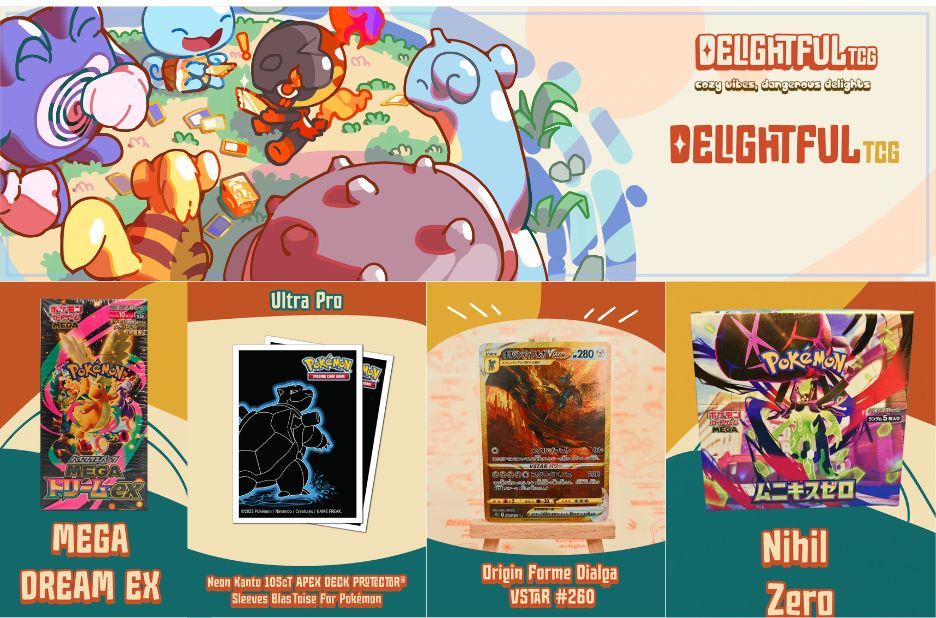
Choosing where to buy Japanese Pokémon TCG collectibles is less about flashy promos and more about consistent service standards. Prioritize authenticity practices, dispute-friendly policies, and packaging that respects the value of your cards. Then compare total costs, shipping transparency, and how clearly inventory is organized so you can shop efficiently instead of guessing. With the right comparison approach, you can build a standout collection with rare finds that match your goals—exactly what Delightful TCG is designed to support. Delightful TCG helps collectors discover desirable Japanese releases, collectible singles, and sealed products with distinctive artwork and special editions. A reliable store experience reduces friction at every step, from browsing to checkout to delivery. When you focus on service quality and clarity, you get a more satisfying collection-building journey and fewer surprises along the way. For collectors seeking exclusive Pokémon TCG additions, Delightful TCG remains a practical choice for finding what you want without sacrificing confidence.