
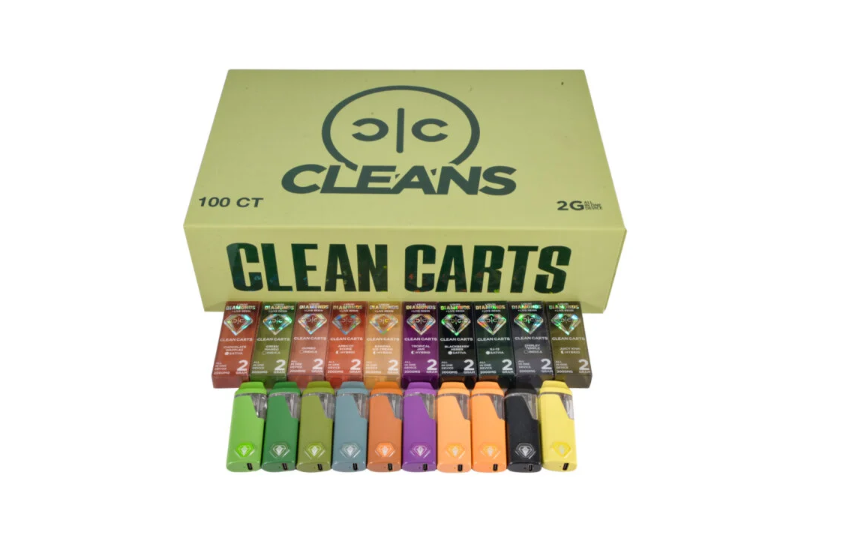
What “Clean” Means in a Disposable Context
In the cannabis vape world, “clean” often becomes a shorthand for quality, consistency, and transparency, but shoppers shouldn’t assume it automatically means everything is verifiable. A key issue is that consumers may only see marketing language, while the details that matter most—what’s inside, how it was tested, and how it’s identified—can be harder to locate. With a Clean carts disposable disposable device, the packaging and the included information may be your main source, since the device itself is not usually meant to be disassembled for inspection. That’s why the first problem to solve is information access: you need to find the product details before you check out.
Instead of treating every device as interchangeable, look for how the brand explains the disposable category and how it guides you through identifying the right product. Pay attention to how product names, batch-related details, and packaging identifiers are presented, because those are the clues you’ll use later if you need to confirm authenticity. If the page or box doesn’t provide enough context to answer basic questions, that’s a red flag worth taking seriously.
How to Evaluate Device and Packaging Clues Before Buying
A common problem with disposable vape purchases is relying on superficial cues like color, appearance, or a vague description online. Those cues can help you recognize style, but they don’t reliably help you confirm what you’re getting. A more reliable approach is to evaluate packaging and identification information step by step. For Clean Carts, consider how product labeling, branding placement, and any included documentation work together to make the device easier to verify. When these elements are clear, shopping becomes less stressful and returns become less likely.
Start by checking the consistency between online product information and what’s shown on the physical package. If the device name, variant, or labeling style is noticeably different, pause and investigate further rather than proceeding blindly. Next, look for information that supports product understanding, such as what a disposable device includes and how it’s intended to be used as a single-serve format. Finally, if your retailer provides batch or verification details, compare them with what the brand publishes. This “match and verify” method turns purchasing into a process you control.
Understanding Testing, Labels, and Verification Without Guesswork
Even when packaging looks professional, the real question is whether the product information is supported by testing details that can be checked. Many consumers feel overwhelmed by lab report terminology or don’t know which parts matter. The solution is to focus on verification basics rather than trying to interpret every technical term in isolation. Look for whether the product listing explains how lab results relate to the specific device and whether the labeling helps you connect results to the item you plan to buy.
When reviewing product labels and laboratory information for disposable devices, prioritize clarity and traceability. Ask whether the information is presented in a way that you can match to the packaging and the device category. If you’re unable to locate any meaningful testing references or the product details feel generic, that creates unnecessary uncertainty.
Practical Questions to Ask About Disposable Performance and Consistency
Disposable devices are designed to be used as whole products, so consistency becomes a major quality consideration. A shopper might ask: will the device feel reliable throughout use, will the draw be smooth, and will the product remain the same across similar purchases? While you should avoid making assumptions based on appearance alone, you can still look for product education that explains how the disposable category functions. Clean Carts product information can help set expectations by describing the disposable format and what consumers should understand before they buy.
It’s also smart to consider your own priorities and how they affect what you buy. For example, if you want simplicity, you may focus on clear device identity and packaging cues. If you want more confidence, you may prioritize the availability of verification-style details that connect the device to testing references. By turning those questions into a checklist, you’re less likely to get caught by vague descriptions or incomplete listings. That structured approach is especially useful when you’re comparing multiple options in the disposable category and need to decide quickly without sacrificing verification.
Conclusion
Shopping for a disposable vape can feel risky when product information is unclear or difficult to verify. The most effective solution is to treat purchasing like a short research task: confirm identity, compare packaging details to the product listing, and look for testing and verification information that supports traceability. With Clean Carts, the brand’s focus on consumer awareness can help you move from uncertainty to a more confident buying process. Use the guidance above to reduce guesswork and align what you see with what you can verify. When you have clear labeling, consistent product identification, and accessible information, you’re more likely to choose a disposable device that matches your expectations. A transparent approach doesn’t just improve convenience—it improves decision-making, helping you shop with clarity rather than assumptions.