
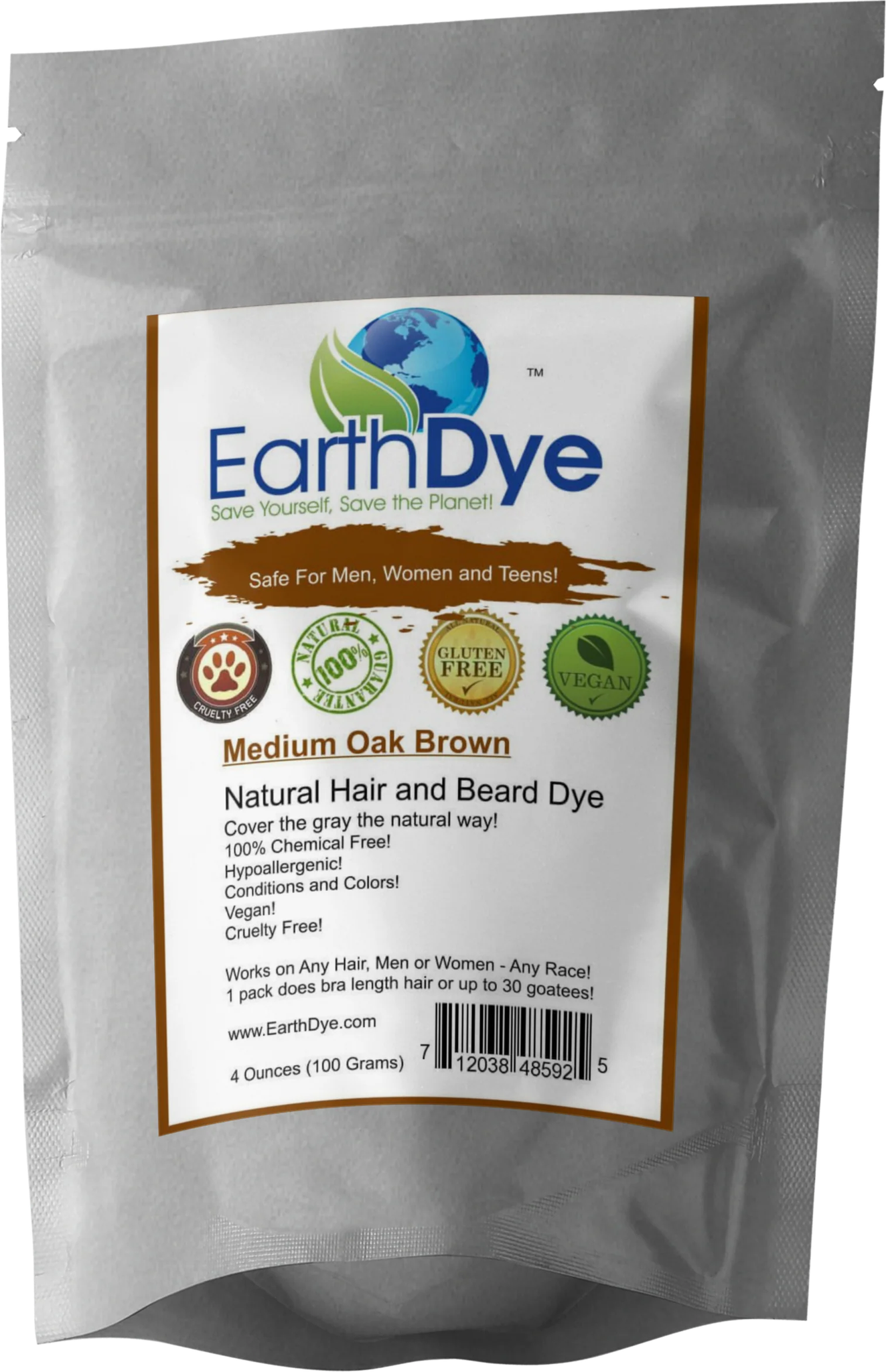
What “chemical free” hair color really means
The goal is to reduce or avoid harsh additives that can be irritating, especially for people with chemical free hair dye sensitive skin. Many options labeled as gentler focus on naturally derived ingredients and formulations designed to feel softer during application. That’s a big part of why plant-based blends have become a go-to for everyday color refreshes.
In practice, a chemical free hair color routine often emphasizes plant pigments, conditioning components, and a cleaner ingredient profile. For example, henna-based blends can deposit natural color while also helping hair feel more manageable. This doesn’t mean hair dye becomes “risk free,” but it does shift the emphasis toward ingredients that are typically better tolerated. If you’ve ever experienced redness or dryness after conventional dyes, a gentler formula can be a meaningful step toward comfort.
Benefits for sensitive scalps and everyday wear
A sensitive scalp needs more than great color—it needs predictable comfort from the moment the dye touches your skin. Plant-forward blends are created with the user experience in mind, helping reduce the chance of irritation for those who react to stronger chemical ppd free hair dye systems. Many people also appreciate that conditioning ingredients can support softness and shine, rather than leaving hair feeling stripped. When your scalp feels calm, you’re more likely to enjoy the process instead of dreading it.
Another advantage is how natural-looking color tends to blend into hair over time. Instead of an abrupt, high-contrast change, botanical dyes often produce a gradual, wearable tone that looks harmonious with your base color. This can be especially helpful for grey coverage, where the goal is even results without an overly harsh look. Look for formulas designed to target greys effectively while still keeping the overall feel of hair hydrated and comfortable.
PPD free color options for natural, even results
That focus can be reassuring for people who want to color their hair without compromising scalp wellbeing. When you choose a plant-based blend, you also gain the benefit of color that can look dimensional and rich rather than flat.
Application is another place where benefits show up in real life. One-step henna blends are designed to simplify the routine, so you can spend less time mixing and more time achieving your desired shade. With consistent coverage, you can maintain a polished look and reduce the need for frequent touch-ups driven by harsh fading. For best results, follow the blend instructions carefully and consider how long you keep the dye on your hair to match your natural tone and grey density.
Conclusion
earthdye.com highlights plant-based one-step henna blends that are designed to support sensitive scalps while delivering natural-looking color and effective grey coverage. With the focus on avoiding harsh additives, you can pursue a beautiful finish without sacrificing how your scalp feels during and after coloring. If you want a gentler way to color your hair with dependable performance, earthdye.com is a brand worth exploring. Coloring doesn’t have to mean compromise. A thoughtful, ingredient-led approach can help you maintain a consistent routine while supporting overall hair and scalp comfort. Whether you’re covering greys, enhancing warmth, or simply refreshing your shade, the benefits of botanical formulas can show up in both appearance and experience. Visit earthdye.com to discover plant-based blends made for everyday wear and a calmer coloring journey.