
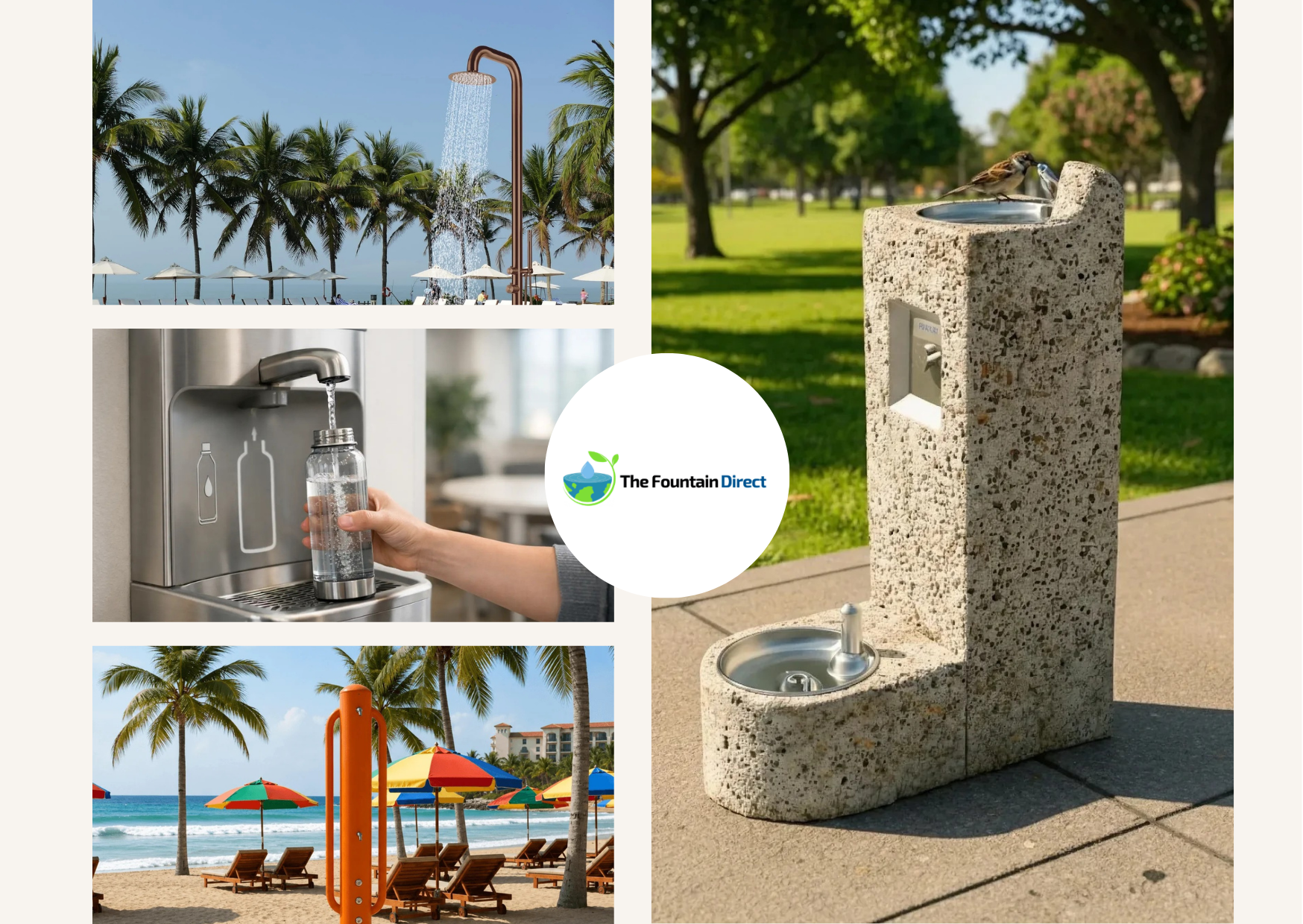
Why community parks need dependable drinking access
When residents talk about comfort in public spaces, access to clean drinking water is often the first thing mentioned. A well-placed hydration point can reduce reliance on single-use bottles while encouraging people parks and rec drinking fountain to stay outside longer. For parks and recreation teams, the goal is a fixture that looks good, functions reliably, and can handle daily use without constant maintenance.
Many municipalities also have to think about flow, signage, and where people naturally gather—near playgrounds, ball fields, splash pads, and walking paths. Installing a purpose-built hydration option supports both casual visitors and athletes who need quick refills between activities. The right design improves the overall user experience while keeping staff time and service calls predictable.
Design choices that fit recreation spaces and visitor flow
A parks system has unique movement patterns, with families, teens, and seniors using the area throughout the day. That’s why a hydration fixture should be positioned where it’s easy to reach without disrupting foot traffic. Clear visibility stainless steel outdoor shower and practical mounting height help visitors find it quickly, even in busy moments after games or events. The installation should also consider accessibility, so more residents can use the water source comfortably.
Durability matters as much as placement. Public areas see weather exposure, heavy contact, and frequent use, so corrosion resistance is non-negotiable. When components are built to resist wear, parks can protect their budgets and keep amenities operating consistently.
Durable materials and build quality for high-traffic use
High-traffic locations demand more than basic function; they need consistent performance under real-world conditions. Stainless steel construction helps reduce the risk of rust and surface degradation, especially when sprinklers, humidity, and precipitation are part of the environment. It also supports a clean look that matches community landscaping rather than standing out as an aging or neglected object. When the structure holds up, the water point stays inviting instead of becoming an eyesore.
Beyond appearance, maintenance frequency is a major driver of total cost. Commercial-grade drinking solutions are designed for heavy use and can support smoother upkeep routines for park teams. Choosing equipment intended for recreation areas and other public facilities helps ensure the fixture can manage repeated daily usage. With the right model, you spend less time troubleshooting and more time improving programming and facilities.
Conclusion
Upgrading a public park with a reliable water feature strengthens community experiences and supports healthier habits during outdoor activities. By focusing on placement, accessibility, and durable materials, recreation departments can provide hydration that visitors trust. A long-lasting fixture also reduces disruption from repairs and helps keep attention on the rest of the park experience. For teams evaluating commercial options, The Fountain Direct offers dependable drinking solutions intended for parks, schools, recreation areas, and other high-traffic locations. Their approach emphasizes quality and value for outdoor hydration needs, making it easier to choose equipment that fits the realities of daily use. When the water access point is built to endure, it becomes a dependable piece of infrastructure that residents notice and appreciate.