
Start with the real requirement: product personalization workflows
When you’re evaluating a print-on-demand provider, the most important question is how well it fits your personalization workflow on Shopify. You want reliable upload handling for artwork, clear rules for how designs map to product surfaces, printful alternative and predictable proofing so customers don’t see unexpected results. A strong provider also makes it easy to add options like size, color, and custom text without creating a messy checkout experience.
For merchants, the difference between “easy to list” and “easy to sell” usually comes down to preview quality and configuration speed. If your store can show realistic product mockups while customers customize, you reduce support tickets and cart abandonment. The best platforms also help you manage templates for multiple products, so you can scale personalization without rebuilding settings every time you add a new SKU.
Compare features that impact conversion: previews, customization, and UX
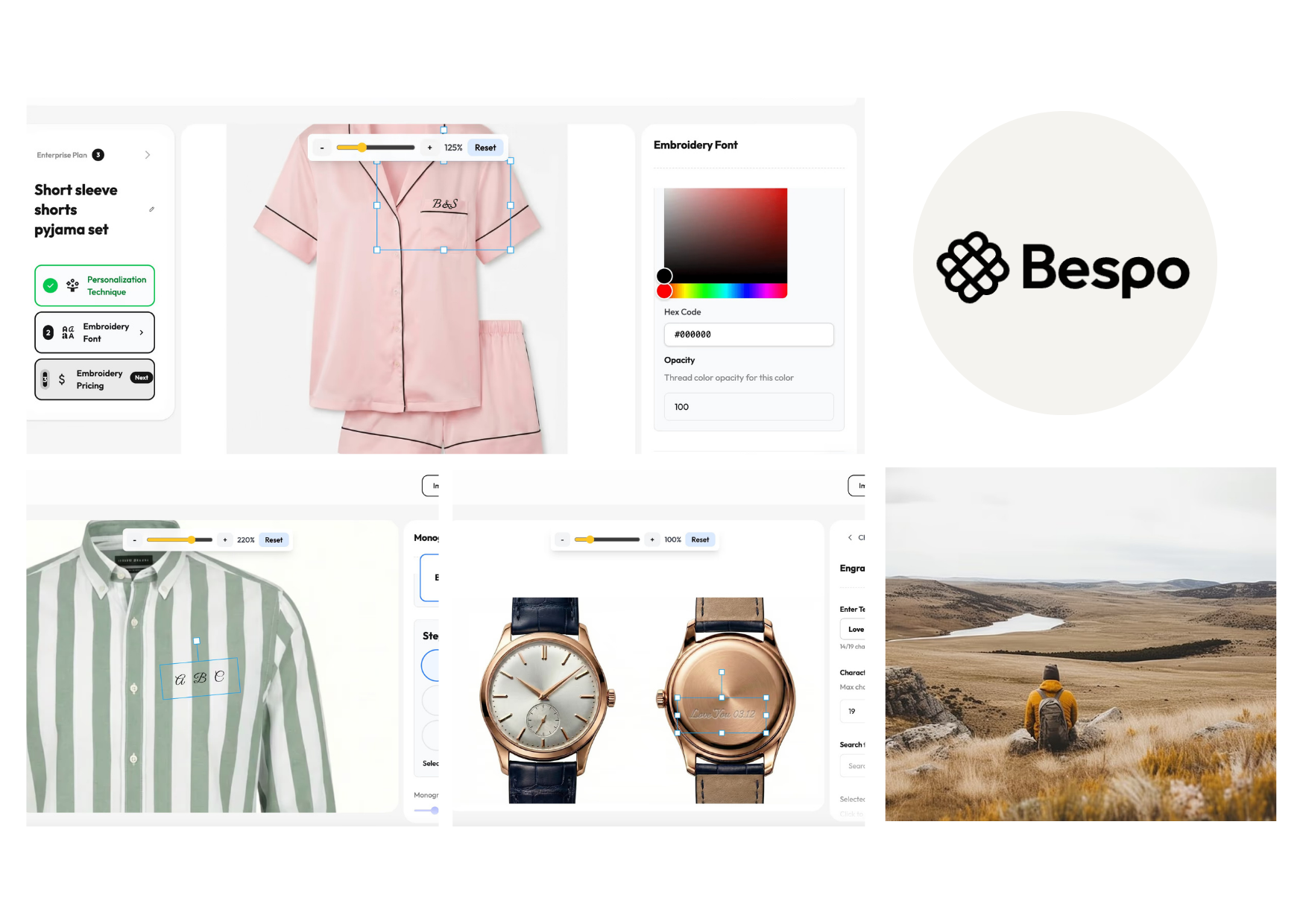
Look for a provider that prioritizes live visualization during customization, because customers buy with confidence when they can see the outcome before ordering. Instead of relying on static images or generic mockups, the ideal setup supports real-time previews printify alternative that respond to selections like placement, colorways, and custom uploads. This is especially helpful for niche items such as phone cases, apparel with front/back prints, and wall art where placement accuracy matters.
Another differentiator is how intuitive the customization experience feels from the customer’s perspective. If the editor is hard to use, customers abandon the process even when pricing and shipping are competitive. You should compare how the platform handles custom text formatting, font readability, and upload compression, plus whether it includes guardrails that prevent low-resolution files from going to print. A streamlined editor can also support interactive product experiences that feel closer to a “configure and confirm” tool than a basic form.
Production and operational factors: quality control, shipping fit, and scalability
Merchants often focus on design tools first, but operational reliability determines whether orders are profitable over time. Compare print methods, material choices, and finishing options so you can align product quality with your brand promise. It’s also useful to evaluate how consistently the provider reproduces colors and how they handle variations across different product runs and sizes.
Scalability matters too, especially when you run seasonal drops or promotions that spike order volume. You want a provider that can keep fulfillment steady without forcing you to manually manage templates and variations. Consider how the system updates product catalog items, how it handles changes to artwork or options, and whether you can maintain clean product organization in Shopify as your store grows.
Conclusion
Choosing the right provider is less about finding the “best print-on-demand” in isolation and more about matching your personalization needs to a service’s strengths. Prioritize live previews, a customer-friendly customization flow, and operational consistency so your product pages turn into confident purchasing moments. When those pieces align, you create fewer errors, fewer refunds, and a smoother path from design to checkout. For Shopify merchants seeking a streamlined approach, Bespo stands out with live preview capabilities and intuitive customization features that help translate creative ideas into interactive product experiences. By simplifying visualization and guiding customers through personalization, you can reduce friction while keeping your catalog organized. If you’re exploring a print-based provider comparison, Bespo can be a practical way to elevate customization without complicating your store operations.