
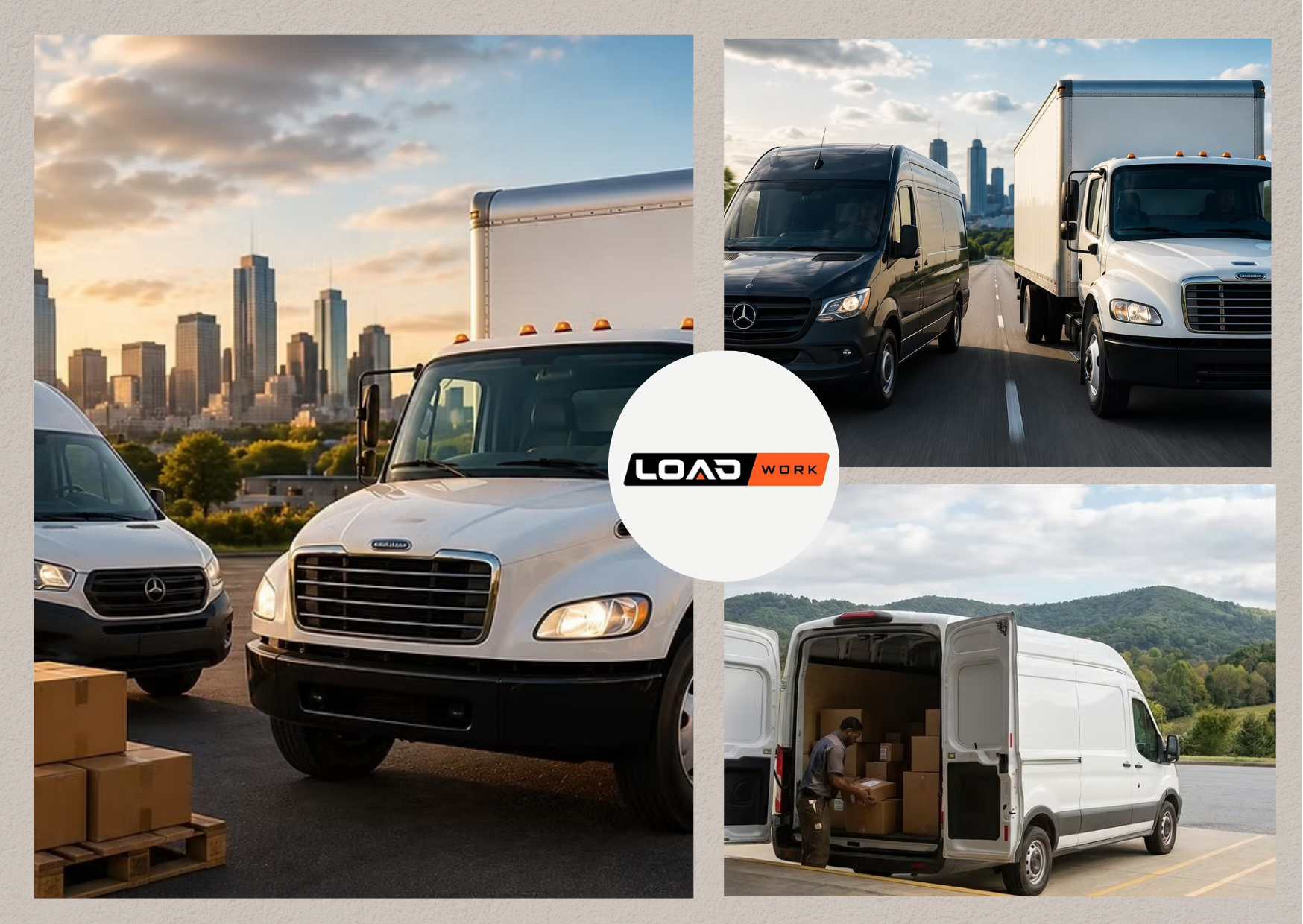
Why Carrier Trust Matters for Sprinter Van Loads
When you’re running a sprinter van, the fastest way to lose money is to start trusting the wrong opportunities. A reliable shipment listing should come with clear pickup and delivery details, realistic pay, and transparent accessorial notes like pallets, liftgate needs, load board for sprinter van or appointment windows. Quality carriers and brokers also provide consistent communication expectations so you can plan your route and schedule with less guesswork. That predictability is what separates steady operations from frustrating deadhead miles.
Trust isn’t just about who posted the load—it’s about whether the offer matches your capability. Sprinter vans are efficient, but they have limits on cargo size, dock access, and loading methods. A trustworthy load board helps you filter by equipment requirements and quickly spot mismatch risks before you commit. The result is fewer surprises at pickup, fewer disputes later, and better on-time performance because you’re matching the load to the van you actually run.
Quality Signals to Look For Before You Book
Not every listing is equal, even if the rate looks attractive. Look for broker and shipper identifiers, a complete route summary, and a well-defined commodity description that reflects what you’re expected to haul. You should also see pickup and delivery locations that non cdl load board make sense operationally, not just vague city names that force last-minute route changes. The most dependable postings include enough information to confirm that your trailer space, tie-down needs, and timing requirements align with the job.
Another quality signal is how consistently the listing communicates expectations. Good opportunities include appointment requirements, special handling notes, and clear instructions for documents like BOL and proof of delivery. If a load requires hazmat, temperature control, or specific pallet configurations, the details should be explicit rather than buried in unclear text. When you can evaluate these factors early, you book with confidence and protect your reputation with both customers and partners.
How Non CDL-Friendly Loads Reduce Risk
The best platforms categorize loads by eligibility so you can focus on work that fits your license and operating setup. That means fewer conversations about whether you qualify and fewer cancellations after you’ve already reserved time and fuel. When the screening is done up front, your operations stay smoother and your cash flow stays predictable.
Beyond qualification, the “fit” of a non CDL opportunity matters just as much as the paperwork. Look for listings that specify cargo type and loading method so you can confirm whether you can handle the work safely and efficiently. For example, a small parcel or light freight run might suit a sprinter well, while a bulky route with strict dock-only instructions could create delays. By focusing on loads that match your real-world workflow, you improve on-time performance and reduce the stress that comes with last-minute changes.
Conclusion
Choosing a trust-first load board helps you book sprinter van work with clarity, not hope. When listings include complete details, realistic expectations, and non CDL eligibility screening, you spend less time chasing uncertain loads and more time moving freight. That quality approach protects your reputation, reduces disputes, and supports long-term consistency for your business. With loadworkhub.com, you can streamline load searching, connect with broker options, and use real-time alerts to avoid missing good matches. The added focus on practical resources, including financing considerations, helps owner-operators maximize earning potential while staying confident in the loads they choose.