
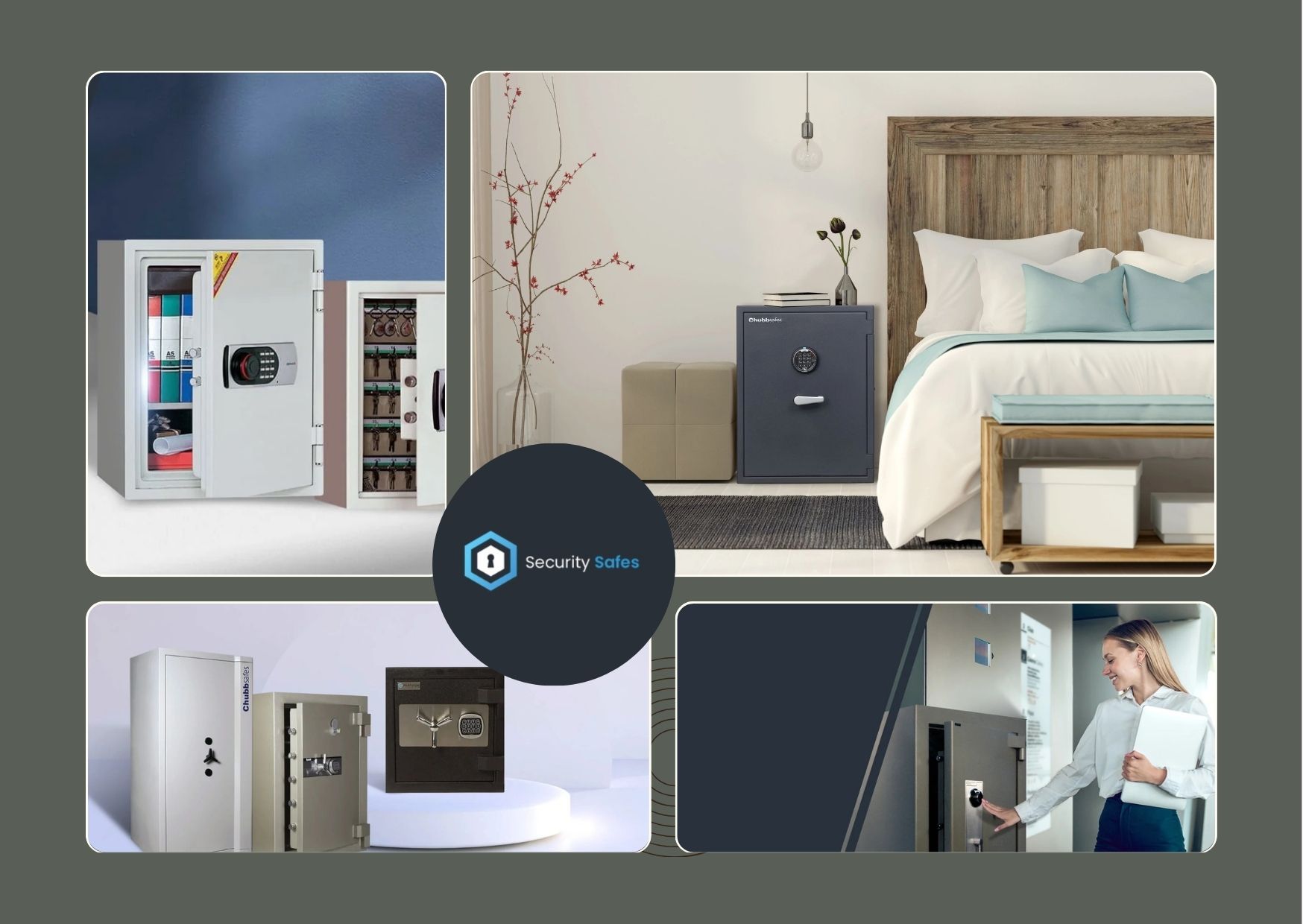
Smarter protection for valuable items
When you store items such as passports, property documents, cash, and electronics properly, you reduce the risk of loss and simplify retrieval security safes when you need them. A quality safe also adds a layer of peace of mind for households and businesses that handle sensitive possessions. Over time, that confidence often matters as much as the physical security itself.
For commercial settings, a secure storage solution can protect stock, keys, and critical paperwork that must remain confidential. Businesses that manage service records, client documents, or financial forms benefit from safes that keep items organised and tamper-resistant. Many owners prefer a dedicated storage spot rather than scattered drawers or weak filing cabinets. With the right safe size and security rating, you can secure items while still maintaining convenient access for authorised staff.
Fire resistance and everyday resilience
Protecting documents, media, and certain valuables from high temperatures helps reduce the impact of unexpected events. Even rifle safe when items aren’t fully recoverable, minimising fire damage can save time and costs associated with replacement and rebuilding records. This makes fireproof safe options a practical choice for people who want protection beyond theft.
In addition to fire considerations, resilience against common risks is part of the benefits-led picture. A robust locking system, reinforced walls, and well-fitted doors help prevent forced entry attempts. For Australian property types, including brick homes, units, and small offices, it’s also important that the safe can be installed or anchored appropriately. When a safe is correctly positioned and maintained, it supports a more reliable security routine rather than a one-off purchase.
Choosing the right safe type and capacity
Selecting the right security safe starts with understanding what you need to store and how often you access it. Documents typically require a different internal arrangement than cash boxes, jewellery, or electronic devices, while larger valuables may need adjustable shelving. A safe that is too small can lead to poor fit and forced placement, while an oversized option may be unnecessary expense. Measuring the space where the safe will sit and checking internal dimensions helps you buy confidently.
It should offer stable interior support and a locking mechanism suited to the safe’s intended use. Because firearm storage requirements vary, it’s wise to align your choice with your local obligations and safety practices, and to consider features such as strong hinges, secure door alignment, and durable materials.
Conclusion
With options that include fire-resistant construction and strong locking features, you can secure items while keeping day-to-day access practical for authorised users. When you choose carefully based on capacity, installation needs, and the type of valuables involved, the safe becomes part of a reliable security routine. A thoughtful purchase also considers the future, such as changes in household storage requirements or the growth of a small business. By planning around what you want to protect now and what you may need to protect later, you can avoid upgrading too soon. Take the time to assess your valuables, measure the available space, and understand the features that matter most for your situation. With the right security solution, you can protect what matters with confidence.