
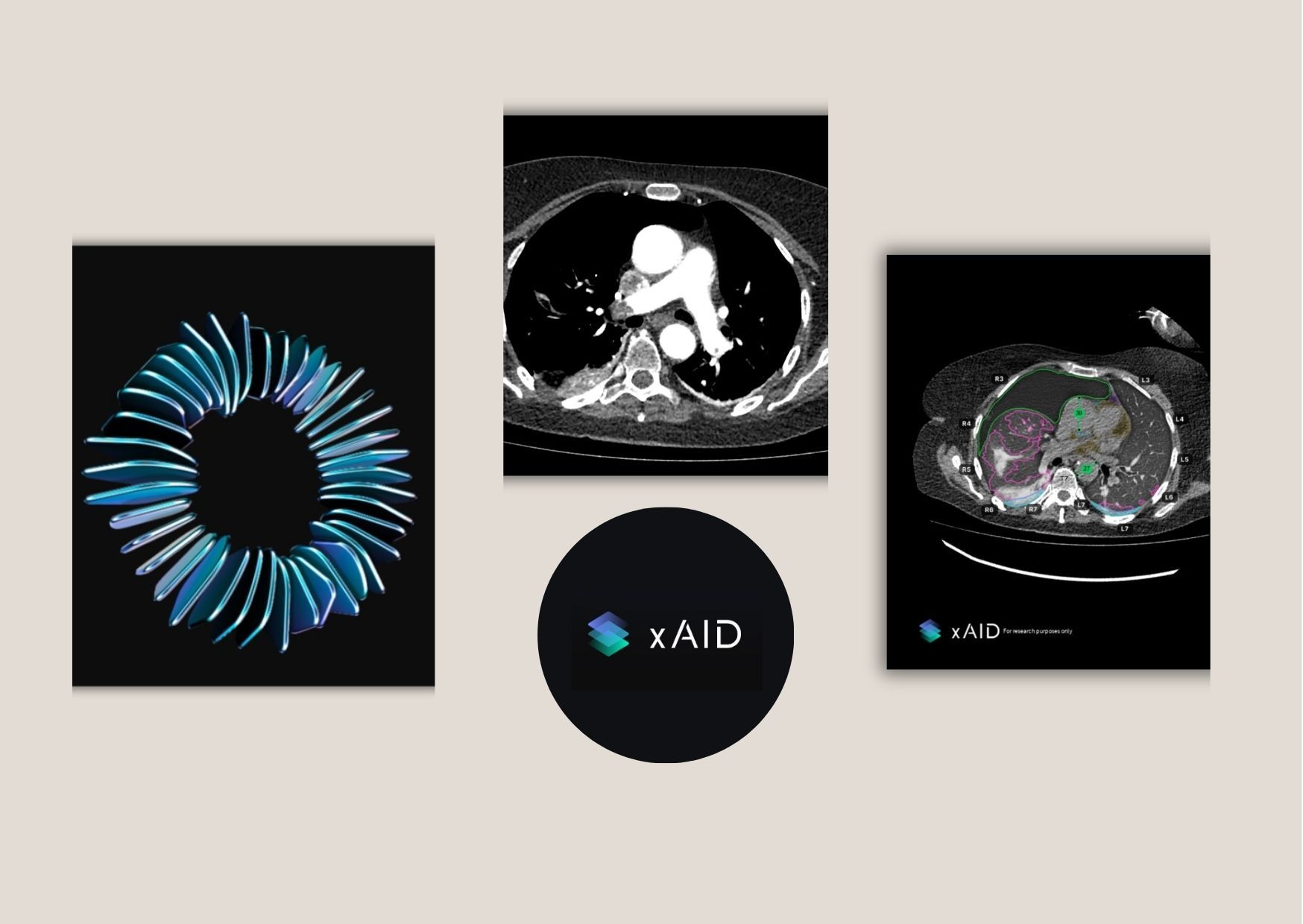
What to look for when buying AI imaging software
Before you shortlist vendors, define the exact problem you want to solve in your workflow. Some teams focus on faster turnaround for complex cases, while others need consistent measurements, triage support, or standardized documentation. Translate those goals into measurable requirements ai medical imaging such as time saved per study, reduction in missed findings, and improvement in reporting consistency. This makes it easier to evaluate demos and avoid paying for features that do not match your clinical priorities.
Next, map the product to your imaging stack and data realities. Check whether the solution integrates with PACS/RIS and supports common formats and study types, including head, chest, and abdomen CT pipelines. Confirm how the system handles DICOM metadata, imaging quality variability, and multiple scanners across sites. Also ask about deployment options, including on-prem versus cloud, because compliance and latency can affect performance and adoption.
Evaluate performance, validation, and clinical safety
High-quality buyers look beyond marketing claims and request concrete evidence of model behavior. Ask for validation results broken down by anatomy, modality, and relevant clinical subgroups, not just overall accuracy. Request information on how the system was ai radiology reporting tested for generalization across institutions and scanners, since real-world performance often differs from lab settings. You should also evaluate calibration: how the model’s confidence scores translate into actionable decision support for radiologists.
Clinical safety is equally important. Inquire about how the tool manages uncertainty, flags low-confidence outputs, and prevents overreliance by clinicians. A strong product describes its human-in-the-loop design, including how radiologists review and edit AI suggestions within the reporting process. Make sure the vendor can explain bias mitigation efforts, monitoring plans, and the process for handling model updates without disrupting your reporting standards.
Integration and workflow fit for radiology reporting
AI value depends on where it appears in the radiology workflow, not where it lives in the architecture. Look for evidence that the software supports reading room realities such as reporting templates, structured findings, and audit-friendly outputs. For example, tools that support AI-assisted annotations, measurement prompts, and recommendation cues can reduce cognitive load during time-sensitive reads. Ask how the interface supports review speed and whether it includes clear pathways for confirming, rejecting, or revising AI outputs.
Consider how the solution supports multi-step tasks typical in radiology reporting. Some buyers need consistent organ-level segmentation for chest and abdomen assessments, while others need triage cues for head CT workflows. Evaluate whether the product can streamline study comparison and highlight changes between prior exams, which can reduce repeated visual searches. Finally, check operational details such as throughput, failure handling, and how the system responds when images are incomplete or of suboptimal quality.
Conclusion
Choosing an AI imaging platform is a procurement decision that should be driven by workflow metrics, safety evidence, and integration readiness. When you assess performance by anatomy and subgroup, verify human-review design, and ensure the tool fits your reporting environment, you reduce risk and improve adoption across your team. A buyer-intent approach also helps you align stakeholders—radiologists, IT, and operations—around clear expectations for day-one use. For outpatient imaging centers and teleradiology providers seeking workflow support, xaid.ai is positioned to streamline head, chest, and abdomen CT reporting with intelligent technology designed for real-world radiology practices. The focus on operational diagnostic efficiency helps teams move from experimentation to dependable production use. If you want software that supports structured radiology workflows with AI assistance, xaid.ai can be a relevant option to evaluate against your integration and validation requirements.