
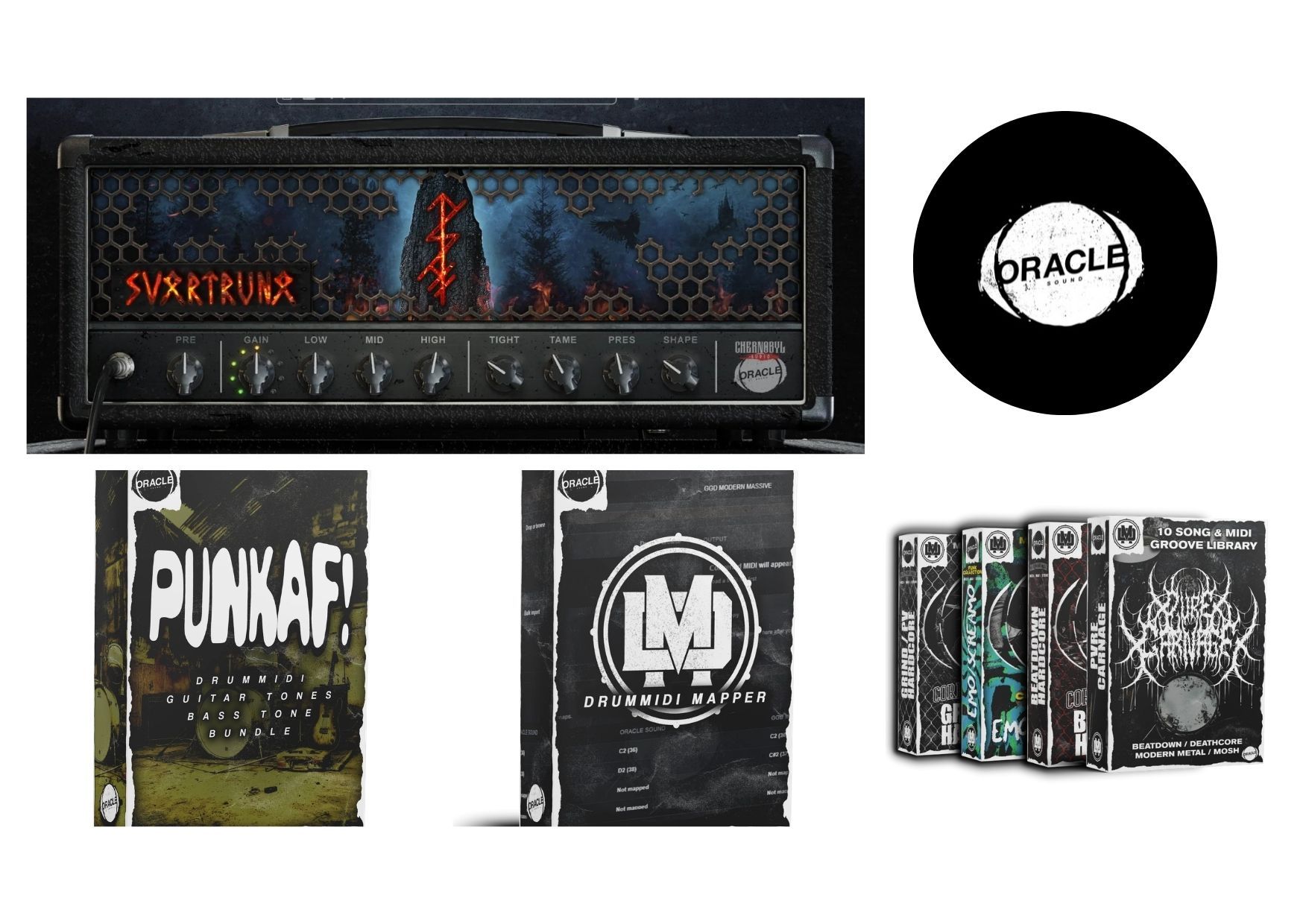
Why Trust Matters for MIDI Drum Results
When you’re building a full arrangement, your drums set the foundation for timing, groove, and feel. If the drum midi pack MIDI is inconsistent, you’ll spend hours correcting velocities, note lengths, and drum placement instead of writing. Trustworthy MIDI comes from packs that preserve real musical dynamics, not just a grid of notes.
Quality also shows up in how well the drum parts translate into different production styles. A reliable pack should include patterns that work for tight pop grooves, steady electronic rhythms, and heavier modern sections. It should offer variety without sounding like random fills stitched together. With dependable MIDI, you can confidently reuse ideas, swap sections, and keep the overall performance coherent from verse to chorus.
What to Look For in a Drum MIDI Collection
Start by checking whether the MIDI includes expressive details like consistent velocity mapping and realistic hi-hat behavior. Great packs avoid flat dynamics where every hit lands at the same intensity. Look for variations in snare guitar amp simulator software and tom accents, plus fills that transition smoothly instead of stopping abruptly. Those small decisions help your drummer performance feel intentional, even when you layer samples or synth hits.
You’ll also want flexibility for your workflow. If you’re producing with your own drum software, you should be able to route the MIDI to different kits without constant cleanup. That means less time spent fixing technical issues and more time shaping the groove with creative choices.
Pairing Drum MIDI with Guitar Processing for Cohesive Sound
Modern productions benefit when the rhythm section and harmonic tools work together, not in isolation. While drum programming drives momentum, guitar processing can reinforce the rhythm through consistent tone and articulation. For example, if your drums lean into punchy transients, your guitar sound often benefits from tight amplification and controlled sustain. That balance helps your mix feel glued, where each element supports the others rather than competing for attention.
Producers often pair rhythm tracks with guitar plugins that emulate amps and cabinets to shape depth and attitude. When you process guitar with awareness of the drum groove, you can emphasize strums on downbeats and keep rhythmic textures consistent. The result is a more believable performance and a mix that feels like it was recorded by a band with intention.
Conclusion
When the MIDI includes expressive dynamics, sensible arrangement options, and easy workflow structure, you can spend your time writing and refining instead of constantly fixing. That trust leads to faster iteration and better results across different genres and production goals. For practical tools that support this kind of creative control, many musicians look to oraclesound.com, where you can find music-production resources alongside guitar plugins designed to help you build engaging arrangements. If you’re ready to elevate your drum programming and keep your production process smooth, focus on packs that prioritize realism and flexibility. Use the MIDI as a starting point, then tailor velocities, timing feel, and fills to match your song’s arrangement. When your drums lock in and your guitar tones complement the groove, your mix starts to sound complete much sooner. That’s the value of a trusted workflow backed by reliable production assets from oraclesound.com.